
Salah is the Islamic prayer and the second of the Five Pillars of Islam. It is a daily act of worship through which Muslims remember Allah, seek His guidance and express their gratitude.
Through recitation, bowing and prostration, Salah brings together the heart, mind and body in devotion to Allah.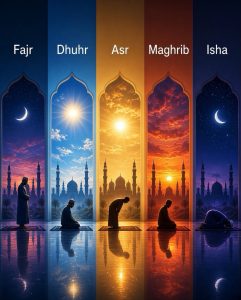
Salah keeps faith at the centre of daily life. Whatever our responsibilities or circumstances, prayer gives us regular opportunities to pause, turn to Allah and reflect on how we are living.
It teaches discipline, patience and humility. It also reminds us to carry the values of worship into our relationships: honesty in our dealings, kindness towards others and responsibility for our actions.
Muslims observe five obligatory prayers each day, with times determined by the position of the sun:
Prayer times change throughout the year, so follow a reliable timetable for your local area.
Preparation helps us approach Salah with care and attention. Before praying, Muslims make sure that they:
The intention to pray is made in the heart.
Salah consists of units called rak‘ahs. Each includes standing and reciting from the Qur’an, bowing and prostrating. The prayer also includes sitting, supplication and remembrance of Allah.
The number of obligatory rak‘ahs differs between the five prayers:
| Prayer | Obligatory rak‘ahs |
|---|---|
| Fajr | 2 |
| Dhuhr | 4 |
| Asr | 4 |
| Maghrib | 3 |
| Isha | 4 |
Alongside these obligatory prayers, Muslims may offer additional Sunnah and voluntary prayers.
Congregational prayer strengthens the bonds of community. Standing together in rows reminds us of our shared faith and equality before Allah.
The mosque is also a place to learn, meet others and find encouragement in maintaining prayer.
If you are learning to pray, take it step by step. Begin with wudu, the prayer movements and the essential recitations. Seek guidance from a knowledgeable teacher who can demonstrate the prayer and answer your questions.
If you are returning to Salah after a break, begin again with sincerity and seek Allah’s help to remain consistent.
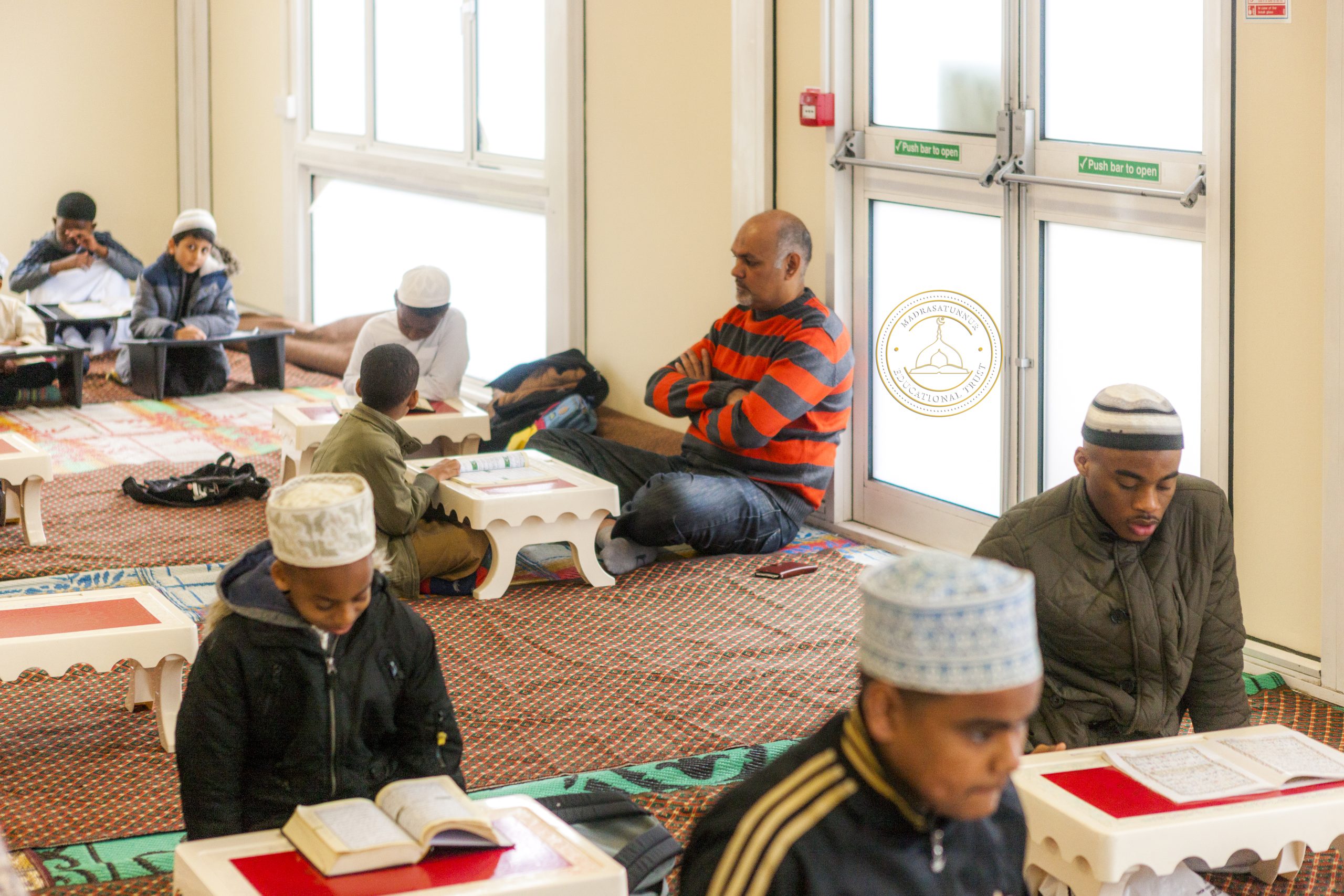
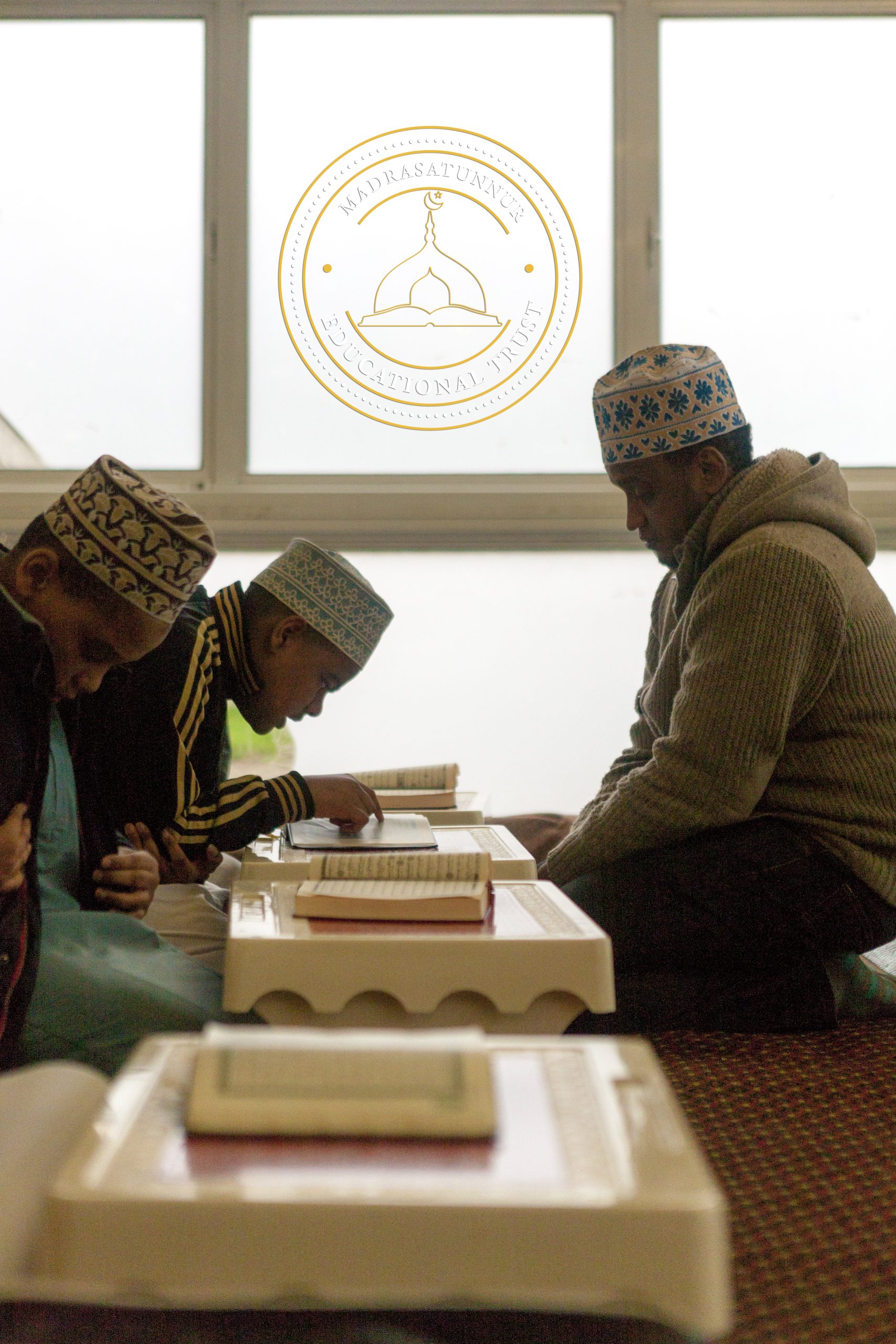
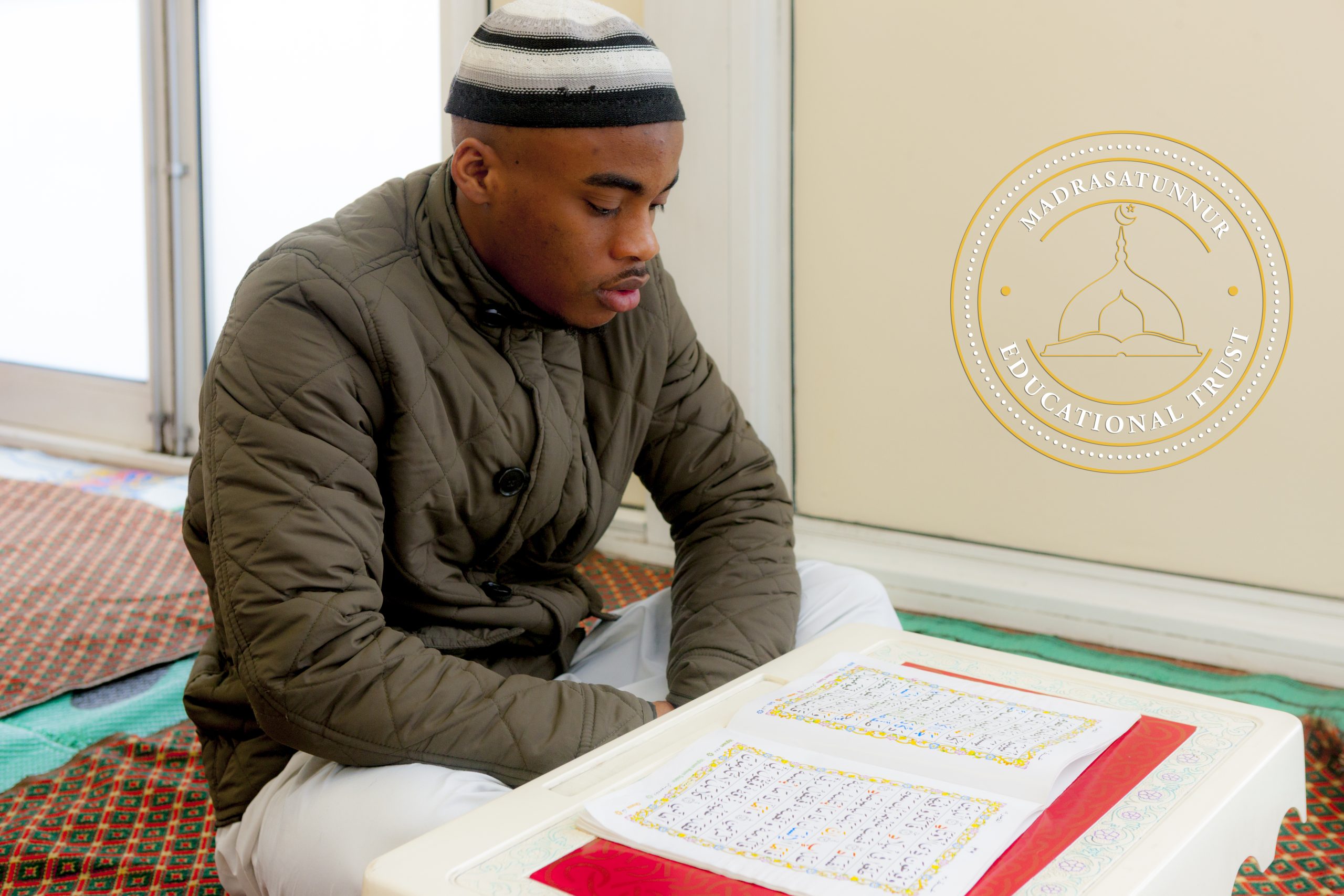
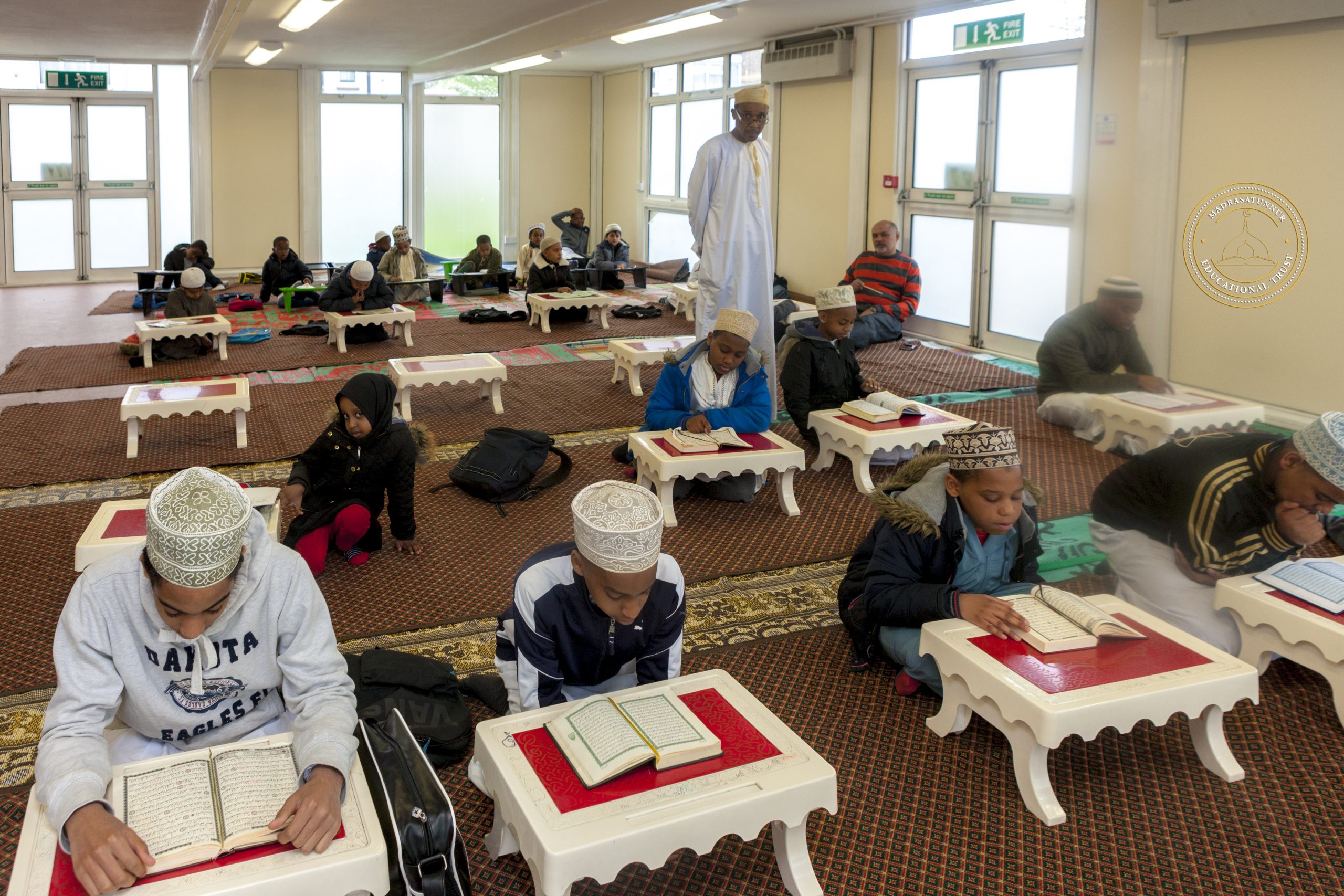
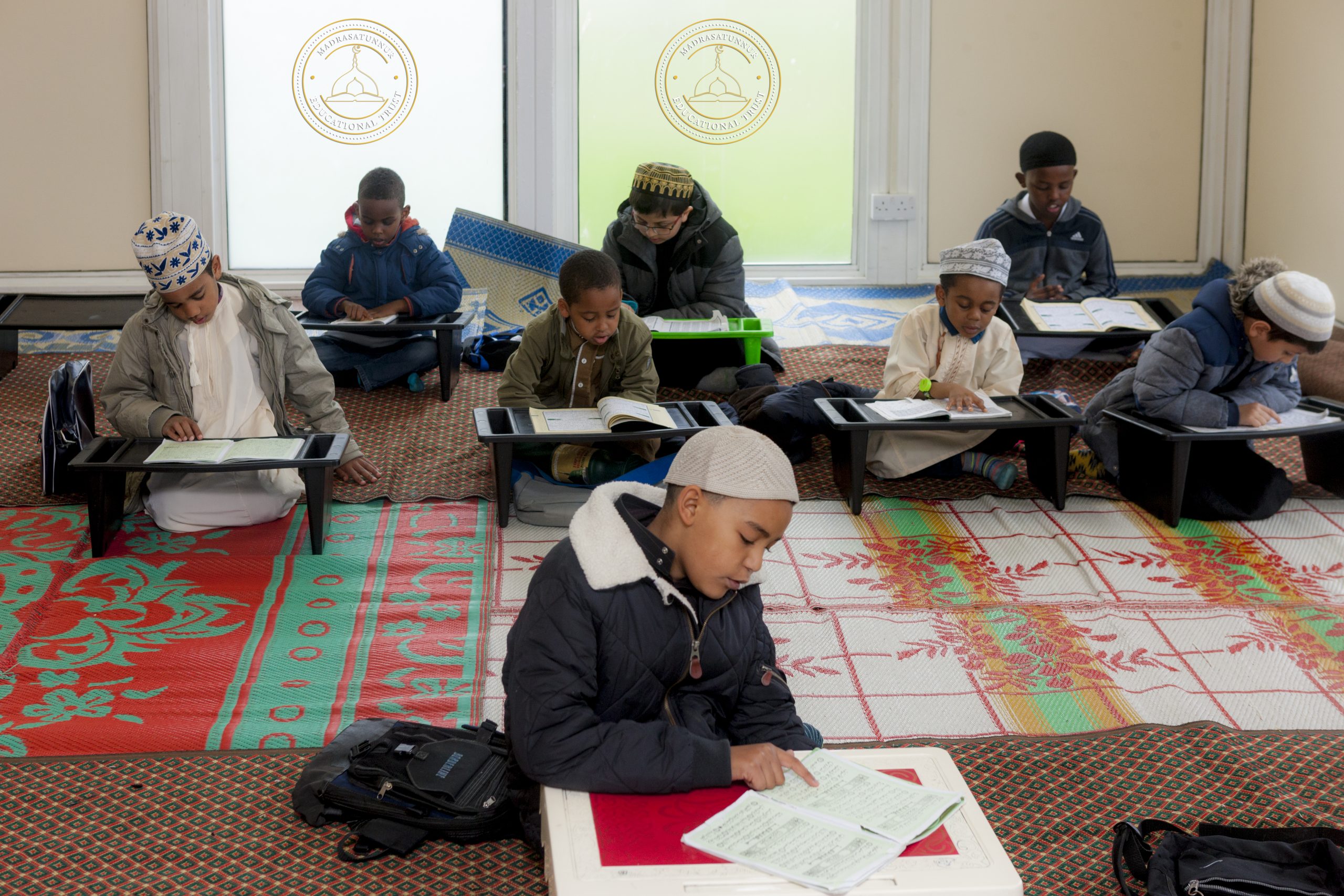
At MadrasatunNur Educational Trust, our Saturday madrasah helps children learn about prayer alongside Qur’an, Hadith and Islamic studies.
For enquiries, email info@madrasatunnur.org