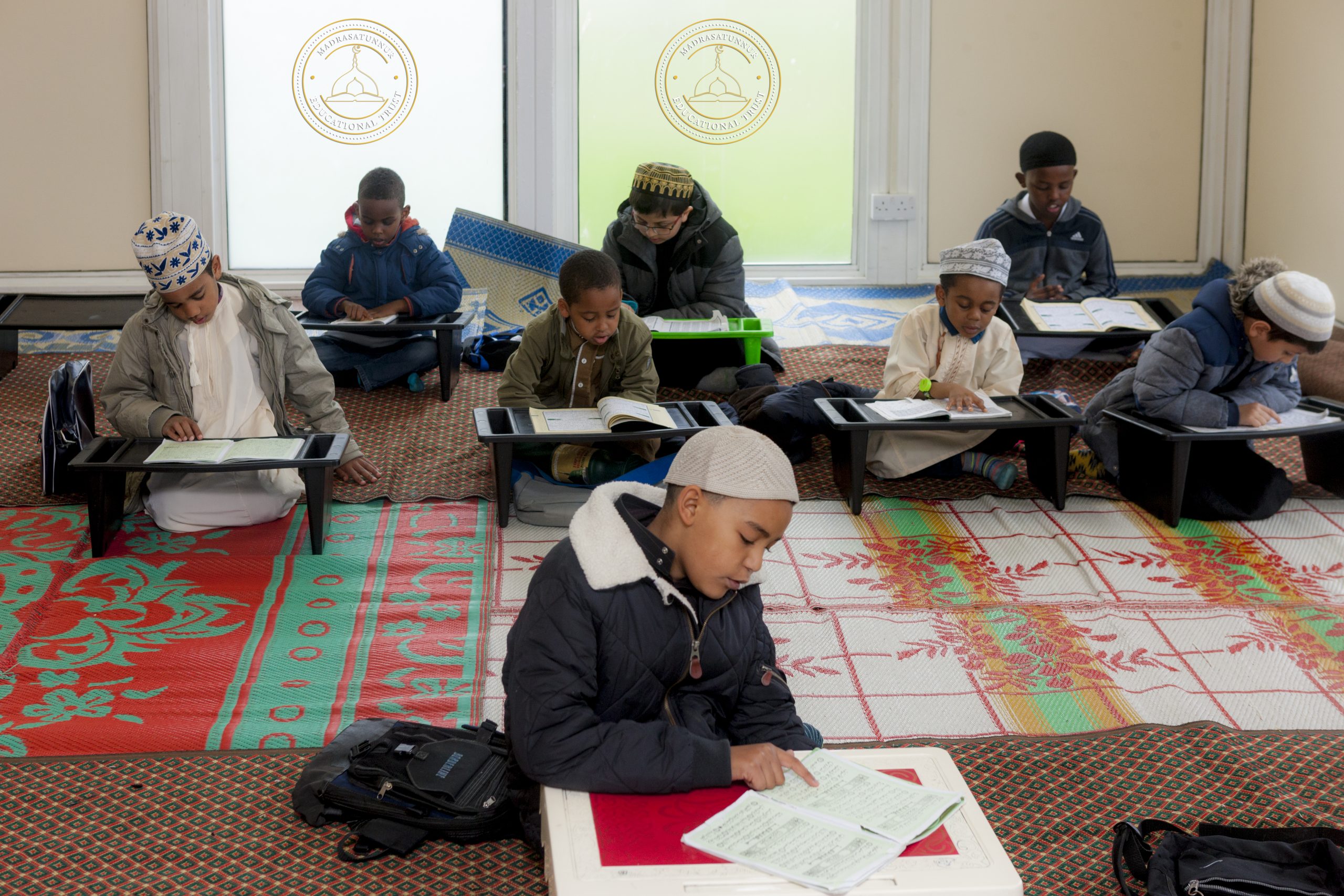

Salah (صلاة) is the Islamic act of worship in which Muslims pray to Allah (SWT) at prescribed times throughout the day. It is the second pillar of Islam, following the declaration of faith (Shahada), and is one of the most important obligations in a Muslim’s life.
Salah is more than simply reciting words or performing movements. It is a direct connection between a believer and Allah, bringing peace to the heart, strengthening faith and reminding Muslims of their purpose in life.
During Salah, Muslims stand, bow, prostrate and sit while reciting verses from the Qur’an, praising Allah and seeking His guidance and mercy.
Allah says in the Qur’an:
“Indeed, I am Allah. There is no deity except Me, so worship Me and establish prayer for My remembrance.” — Surah Taha (20:14)
Salah is different from Du’a (supplication). Salah follows a prescribed structure, whereas Du’a is a personal prayer in which Muslims ask Allah for help, forgiveness and blessings.
Muslims are required to perform five daily prayers. Each prayer has its appointed time and a specific number of obligatory units, known as Rak’ahs.
1. Fajr (الفجر) – Dawn Prayer
2 obligatory Rak’ahs
Performed from the beginning of true dawn until sunrise. It marks the beginning of the day with remembrance of Allah.
2. Dhuhr (الظهر) – Midday Prayer
4 obligatory Rak’ahs
Performed after the sun passes its highest point in the sky. It provides a spiritual break during the day’s activities.
3. Asr (العصر) – Afternoon Prayer
4 obligatory Rak’ahs
Performed during the afternoon before sunset. It reminds Muslims to remain mindful of Allah amid their daily responsibilities.
4. Maghrib (المغرب) – Sunset Prayer
3 obligatory Rak’ahs
Performed immediately after sunset. It offers an opportunity to thank Allah for the blessings of the day.
5. Isha (العشاء) – Night Prayer
4 obligatory Rak’ahs
Performed after the evening twilight has disappeared. It brings the day to a close through worship and remembrance of Allah.
Muslims perform a total of 17 obligatory Rak’ahs every day across the five daily prayers. Additional Sunnah and voluntary prayers may also be performed.
Exact prayer times vary according to location, season and, for certain prayers, the Islamic school of thought followed.
Salah is essential because it strengthens a Muslim’s relationship with Allah and influences how they live, behave and treat others.
1. It fulfils an obligation to Allah. Salah is one of the five pillars of Islam and an essential act of obedience and worship.
2. It strengthens faith (Iman). Praying regularly reminds Muslims that Allah is always aware of them and encourages reliance upon Him.
3. It encourages good character. Salah teaches self-discipline, patience, humility and responsibility. Allah says:
“Indeed, prayer prohibits immorality and wrongdoing.” — Surah Al-Ankabut (29:45)
4. It brings spiritual peace. Through Salah, Muslims turn away from worldly distractions and focus on remembering Allah.
5. It encourages cleanliness and discipline. Before praying, Muslims normally perform Wudu (ablution), which teaches physical cleanliness alongside spiritual preparation.
6. It strengthens Muslim unity. Congregational prayers bring Muslims together regardless of wealth, nationality or social position. Everyone stands before Allah as an equal.
7. It reminds us of the Hereafter. Salah develops awareness of accountability and encourages Muslims to seek Allah’s forgiveness and mercy.
The Prophet Muhammad ﷺ taught that Salah is one of the five foundations upon which Islam is built. (Sahih al-Bukhari and Sahih Muslim)
Besides the five obligatory daily prayers, Islam includes several additional forms of Salah performed on particular occasions or voluntarily.
| Type of Salah | Description |
|---|---|
| Fard | The five compulsory daily prayers |
| Sunnah | Additional prayers following the practice of Prophet Muhammad ﷺ |
| Nafl | Voluntary prayers performed to seek extra rewards and closeness to Allah |
| Witr | An odd-numbered prayer performed after Isha and before Fajr; its legal classification differs among Islamic schools |
| Jumu’ah | Friday congregational prayer with a Khutbah (sermon), replacing Dhuhr for those obliged to attend |
| Tahajjud | Voluntary night prayer, especially associated with waking after sleep |
| Taraweeh | Special night prayers performed during Ramadan |
| Duha | Voluntary prayer performed during the morning after sunrise |
| Eid Salah | Special congregational prayers for Eid al-Fitr and Eid al-Adha |
| Janazah | Funeral prayer for a deceased Muslim |
| Istikhara | Prayer seeking Allah’s guidance when making a permissible decision |
The five obligatory prayers form the foundation of daily worship, while additional prayers provide further opportunities to gain Allah’s pleasure.
Before performing Salah, Muslims should ensure that they are spiritually and physically prepared.
Purification: Perform Wudu, or Ghusl when required.
Cleanliness: Ensure the body, clothing and place of prayer are clean and free from ritual impurities.
Proper clothing: Cover the parts of the body required for prayer (Awrah).
Direction: Face the Qiblah, towards the Ka’bah in Makkah.
Correct time: Ensure the appointed time for Salah has begun.
Intention (Niyyah): Have a sincere intention in the heart to worship Allah.
Concentration (Khushu’): Pray with humility, attentiveness and respect.
Islam also provides concessions for people who are ill, travelling or genuinely unable to perform Salah in the usual manner.
Developing a regular prayer routine is an important part of Muslim life. Parents should introduce children to Salah with patience, kindness and encouragement, teaching them its meaning alongside its movements and recitations.
For young Muslims, learning to pray is not only about memorising Arabic words. It is about understanding why we worship Allah, learning gratitude, developing discipline and building a lifelong connection with our Creator.
The Prophet Muhammad ﷺ said:
“Pray as you have seen me praying.” — Sahih al-Bukhari
Salah is not simply a religious duty; it is a daily opportunity to reconnect with Allah, seek His mercy and strengthen our faith.
Through the five daily prayers, Muslims learn that their responsibilities towards Allah remain important throughout every stage of life.
Whether at home, school, work or in the mosque, Salah reminds believers that true success lies in worshipping Allah sincerely and living according to His guidance.
May Allah make us among those who establish Salah consistently, perform it with sincerity and humility, and encourage our families and children to love prayer. Ameen.