
Sawm is the Islamic practice of fasting and the fourth of the Five Pillars of Islam. During Ramadhan, Muslims who are required and able to fast abstain from food, drink and marital intimacy from dawn until sunset, with the intention of worshipping Allah.
Fasting also calls us to guard our speech, improve our behaviour and become more mindful of Allah in everyday life.
Fasting helps develop taqwa: awareness of Allah that guides our choices and actions. By setting aside permitted comforts for His sake, we learn patience, sincerity and self-control.
Ramadhan provides an opportunity to strengthen our relationship with the Qur’an, seek forgiveness and build habits of worship that continue throughout the year.
The purpose of fasting reaches beyond hunger and thirst. Muslims should also avoid lying, gossip, insults and harmful behaviour.
A fasting person strives to speak kindly, act honestly and respond to difficulties with patience. These qualities help bring the lessons of Ramadhan into family life, work and the wider community.
Suhoor is the meal eaten before dawn, before the fast begins. It offers an opportunity to prepare for the day and follow the example of Prophet Muhammad ﷺ.
Iftar is the meal with which the fast is broken at sunset. It is a time for gratitude, supplication and sharing with others.
The fast begins at Fajr, rather than sunrise, and ends at Maghrib. Follow a reliable Ramadan timetable for your local area.
Fasting in Ramadhan is generally obligatory for adult Muslims of sound mind who are able to fast.
Islam provides exemptions for circumstances such as illness, travel, menstruation and postnatal bleeding. Pregnancy, breastfeeding, old age and long-term health conditions may also affect a person’s ability or obligation to fast.
Depending on the circumstances, missed fasts may need to be made up later, or another provision may apply. Seek guidance from a knowledgeable scholar about your situation, and medical advice where health is involved.
Fasting reminds us to appreciate blessings that can easily be taken for granted: food, clean water, health and the support of others.
It also encourages generosity. Supporting people in need, sharing meals and helping neighbours are practical ways to put compassion into action during Ramadan and beyond.
Alongside fasting, aim to:
Small, consistent acts of worship can help make Ramadan a time of lasting personal growth.
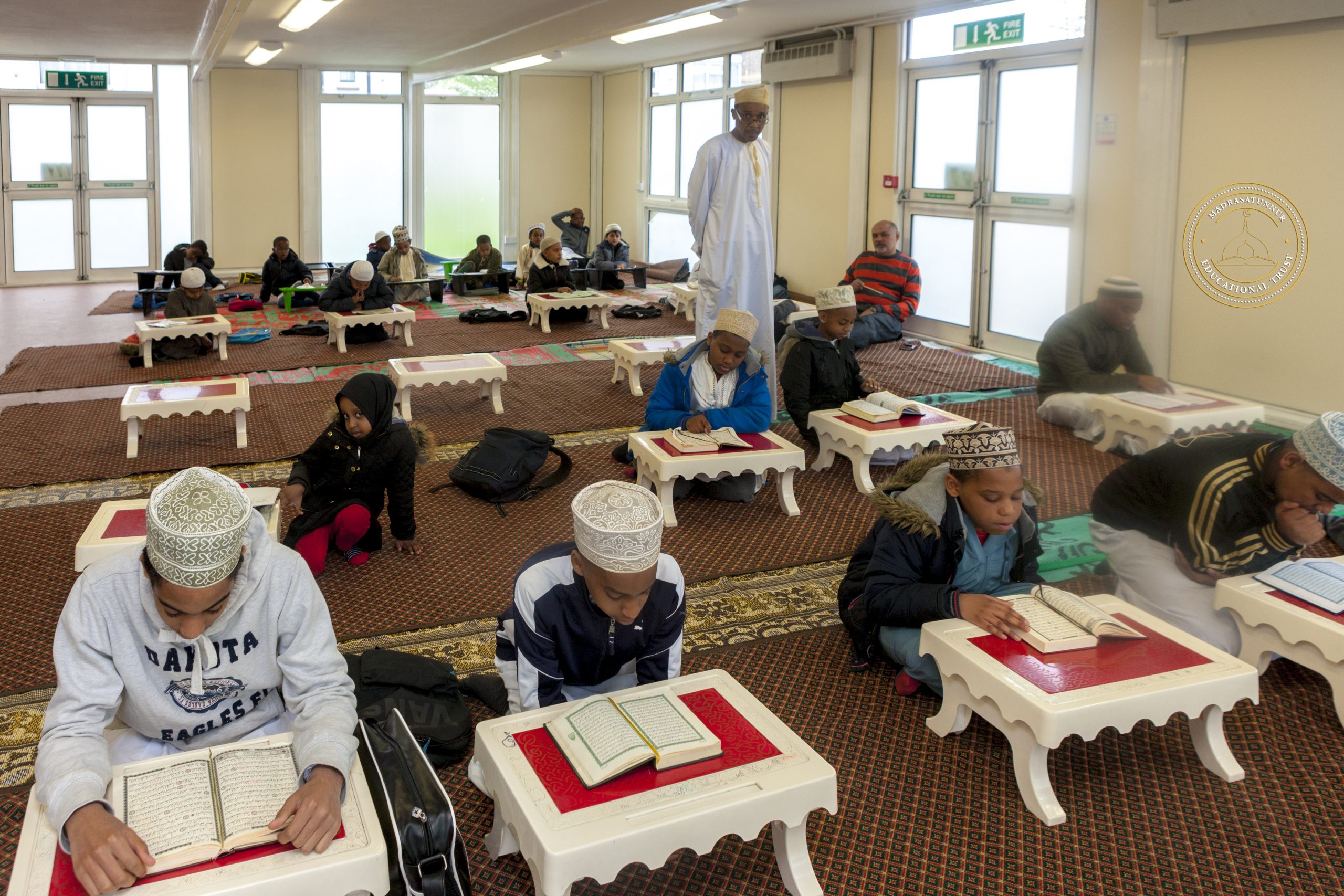
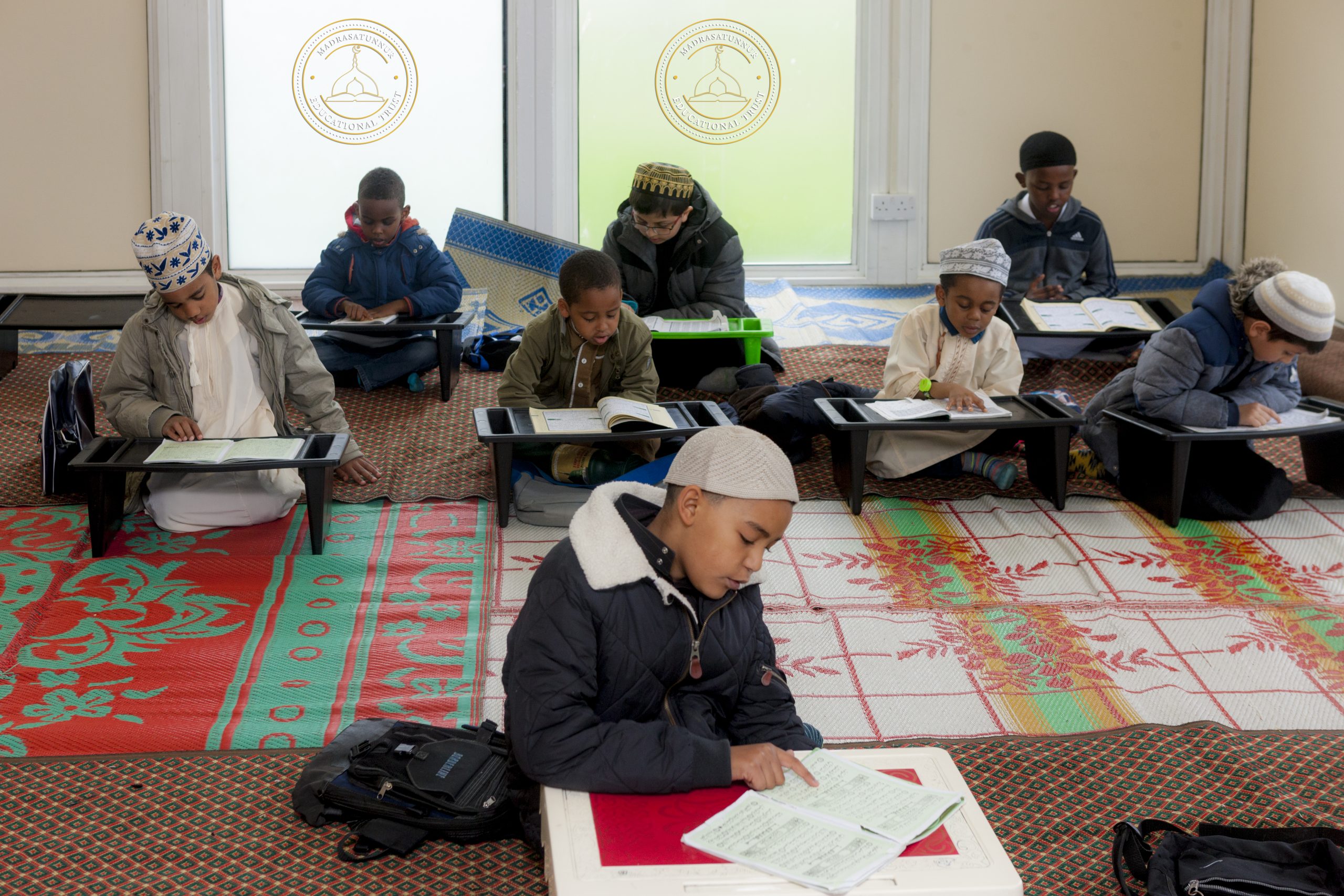
At MadrasatunNur Educational Trust, our Saturday madrasah helps children learn about fasting, prayer and other aspects of Islamic life alongside Qur’an and Hadith.