
The Qur’an is the holy book of Islam. Muslims believe it is the word of Allah, revealed in Arabic to Prophet Muhammad ﷺ through the Angel Jibril عليه السلام.
It provides guidance on faith, worship, morality and our responsibilities towards others. Through reading, reflection and practice, Muslims seek to make its teachings part of their daily lives.
The Qur’an is the central source of guidance in Islam. It teaches the oneness of Allah, explains the purpose of worship and reminds us of our accountability in the Hereafter.
Its teachings call us to act with justice, honesty, patience and compassion. They encourage care for parents, kindness towards neighbours, support for those in need and fairness in our dealings.
The Qur’an was revealed to Prophet Muhammad ﷺ over approximately 23 years. Its revelation began with the command to read, highlighting the importance of knowledge and learning.
The Prophet ﷺ taught its verses to his companions, who memorised and recorded them. Recitation, memorisation and written transmission have remained central to Muslim life across generations.
The Qur’an consists of 114 chapters, known as surahs, which are made up of verses called ayahs.
Its themes include:
These themes invite readers to reflect on their relationship with Allah and their conduct towards His creation.
Reciting the Qur’an is an act of worship. Understanding its message helps us respond to what we read.
For those who do not understand Arabic, a reliable translation of its meanings can support learning. Tafsir, or Qur’anic commentary, explains the context and meaning of verses in greater detail.
Reading with guidance helps us avoid interpreting individual verses without considering their wider context.
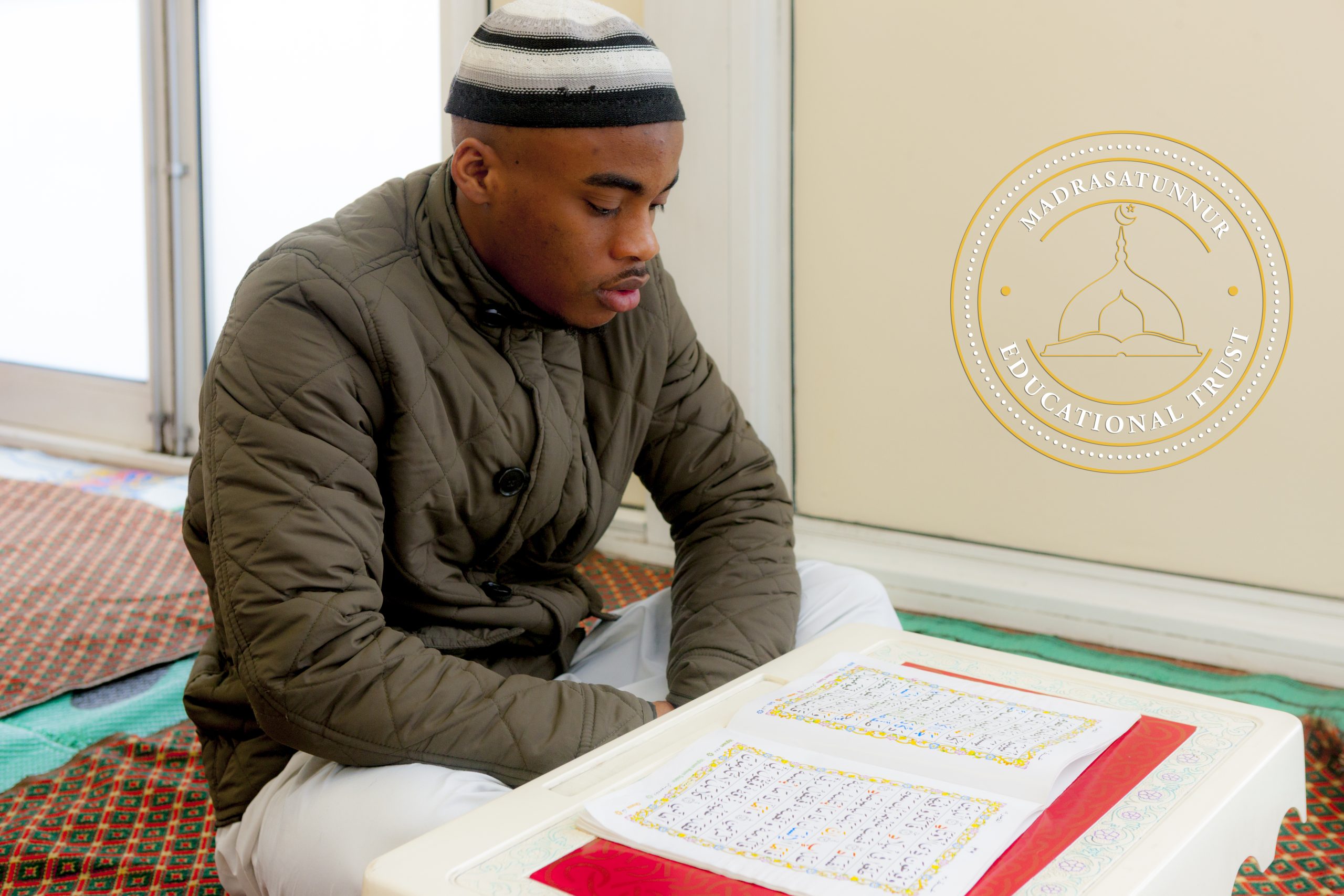
Tajwid refers to the rules of Qur’anic recitation. It helps readers pronounce Arabic letters correctly and observe the appropriate sounds and pauses.
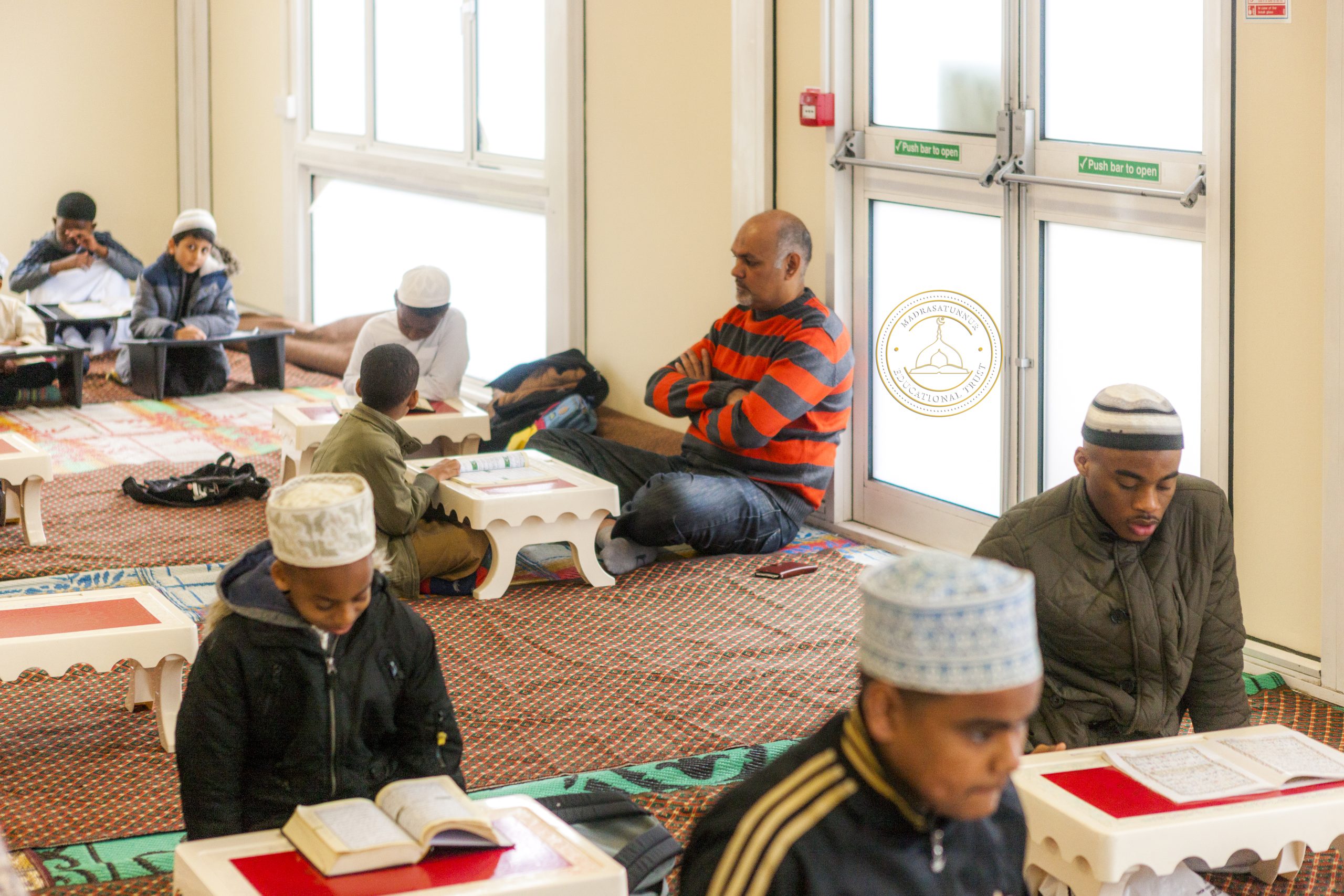
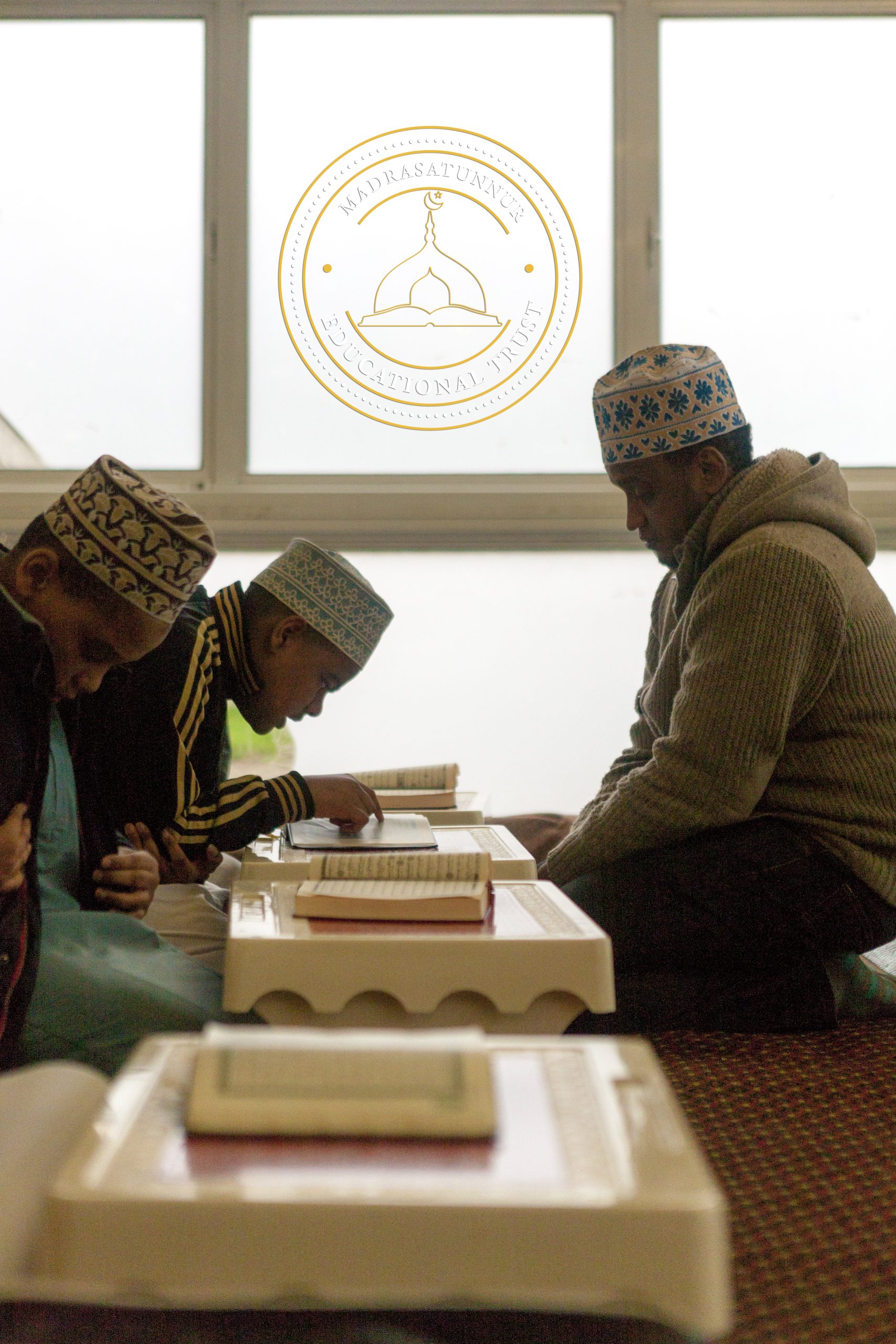
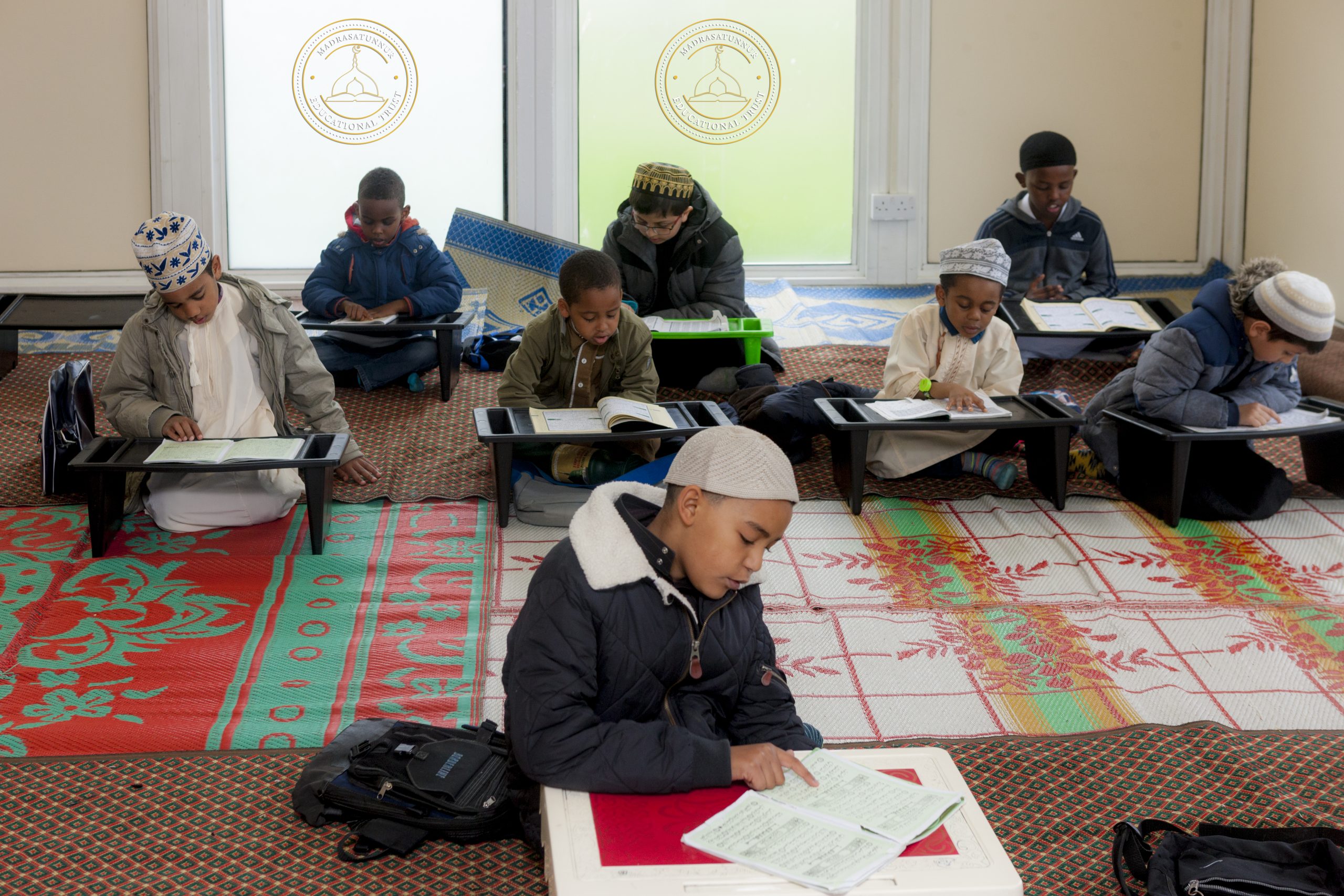
Learning with a qualified teacher allows students to receive corrections and develop confidence. Progress takes patience, regular practice and encouragement.
Memorisation, known as hifz, is a valued part of Islamic learning. Many Muslims begin with shorter surahs used in daily prayer.
Understanding what we memorise and revising it regularly help build a lasting connection with the Qur’an. The aim is to carry its guidance into our actions as well as preserve its words in our hearts.
Our relationship with the Qur’an should influence how we live. Its guidance encourages us to:
Learning the Qur’an is a lifelong journey of worship, understanding and personal growth.
If you are starting, begin with the Arabic alphabet and basic pronunciation, supported by a knowledgeable teacher.
Set aside a manageable amount of time each day. Read carefully, reflect on the meaning and choose a lesson to put into practice. Consistent learning, even in small amounts, helps establish a lasting habit.
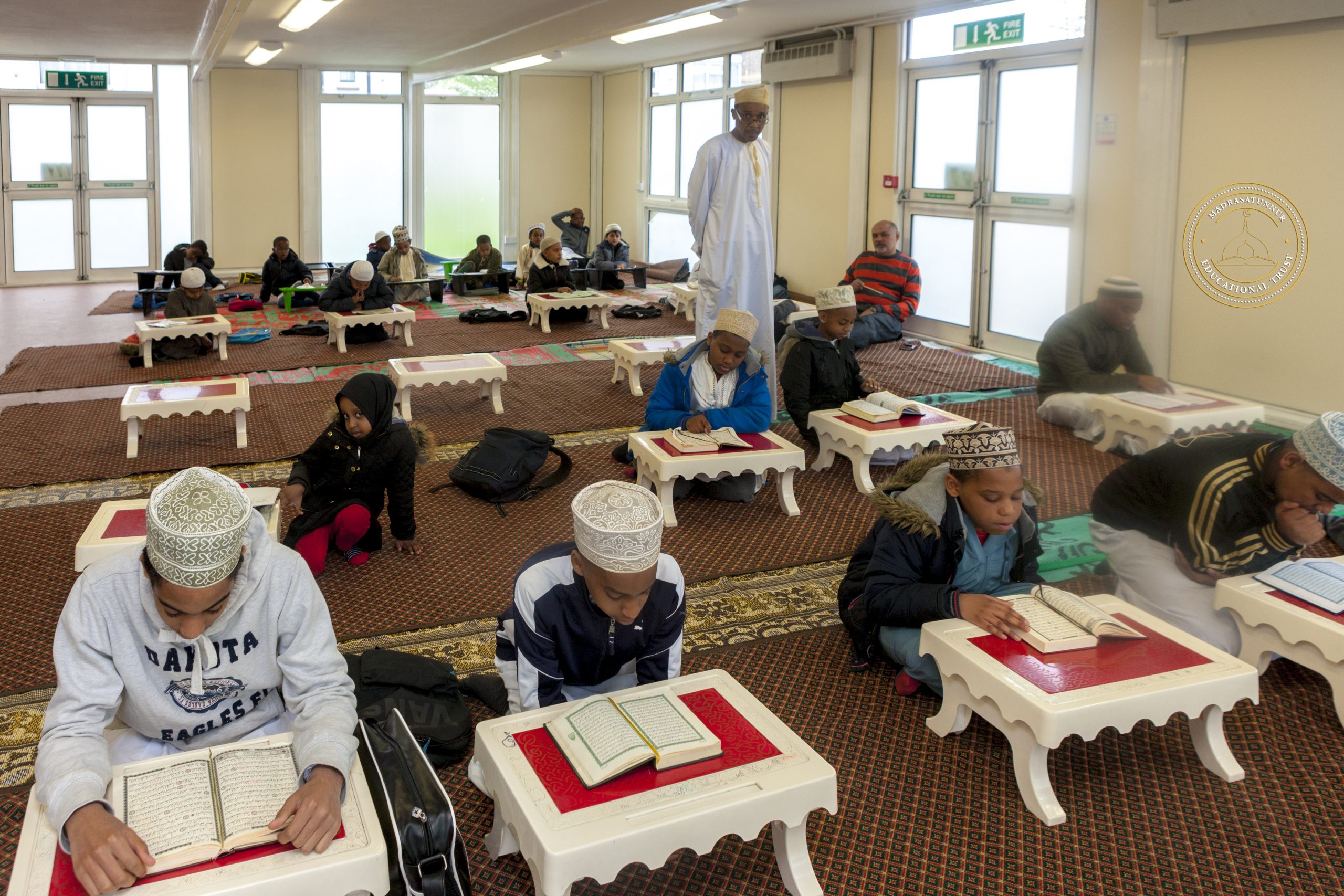
At MadrasatunNur Educational Trust, we teach Qur’an, Hadith and Islamic studies to Muslim children in Hounslow and the surrounding areas.
Our madrasah currently meets on Saturdays from 10:00 am at Convent Way Community Hall. We use a hall hired from Hounslow Council while working towards permanent premises.