
Madrasatun Nur Blog • Ramadhan Special
🕒 8 Min Read | Solitude, worship and reconnecting with Allah
The days of Ramadhan can pass quickly. Between work, family responsibilities, messages and the demands of everyday life, even a month devoted to worship can feel crowded. Iʿtikāf offers a way to step back from that noise for a time and give the heart space to turn towards Allah.
It is not an escape from responsibility, nor a contest to see who can perform the most acts of worship. It is a period of devotion: staying in the masjid with the intention of worshipping Allah, seeking His pleasure and renewing one’s connection with Him.
Before the first revelation, the Prophet Muhammad ﷺ would spend periods in worship and reflection in the Cave of Ḥirāʾ. The account of the beginning of revelation describes how solitude had become dear to him. This was before Prophethood; the iʿtikāf practised by the Muslim community is a distinct act of worship established in the Qur’an and Sunnah.
Allah refers to iʿtikāf in the Qur’an when He says: “Do not be intimate with your wives while you are in retreat in the mosques” (2:187). This verse places iʿtikāf in the setting of the masjid and reminds us that it is a dedicated state of worship with its own guidance.
ʿĀʾishah (raḍiy Allāhu ʿanhā) reported that the Prophet ﷺ observed iʿtikāf during the last ten days of Ramadhan until he passed away, and that his wives continued the practice after him. This narration is recorded in Ṣaḥīḥ al-Bukhārī, 2026.
In the year of his death, the Prophet ﷺ performed iʿtikāf for twenty days. The report is in Ṣaḥīḥ al-Bukhārī, 2044. His devotion shows the importance he gave to worship in Ramadhan, particularly as the month drew to a close.
The last ten nights also contain Laylat al-Qadr, a night whose worship is better than that of a thousand months. The Prophet ﷺ encouraged his community to seek it during the odd nights of the final ten days. Iʿtikāf allows a person to devote those nights to prayer, Qur’an, remembrance and duʿāʾ without the usual daily distractions.
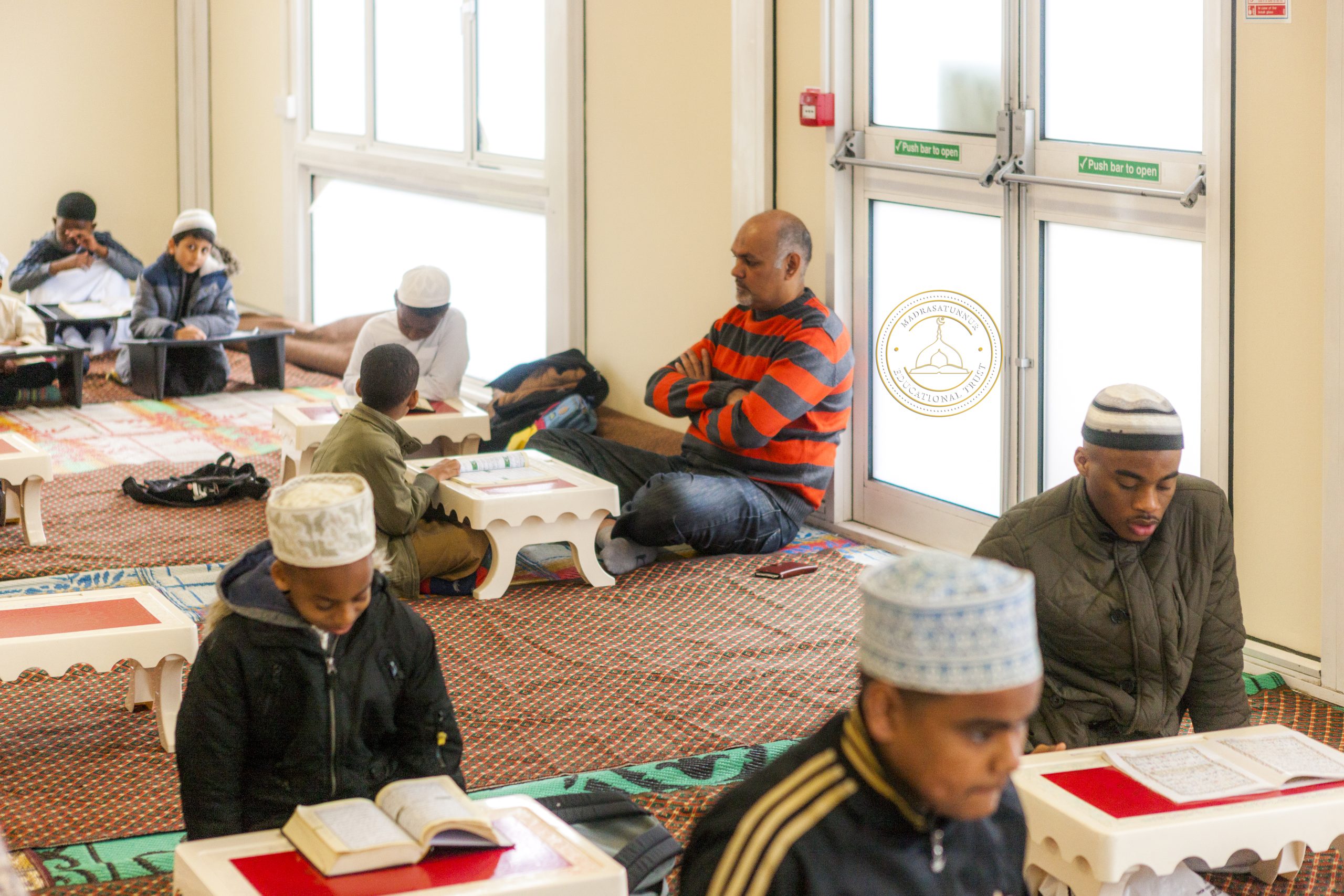
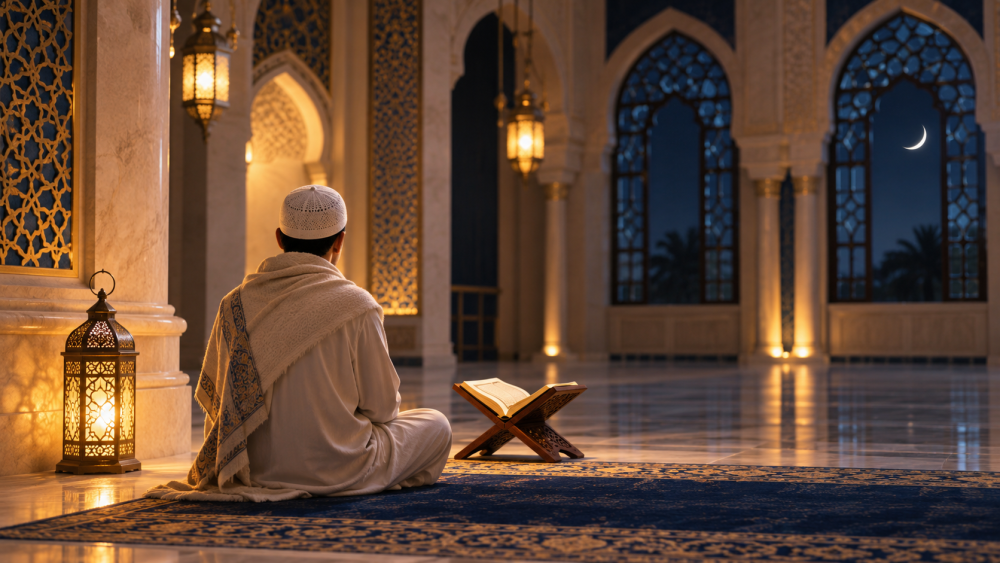
The outward act is to remain in the masjid for worship. Its inward purpose is to turn the heart towards Allah. A person takes a pause from ordinary routines so that prayer, Qur’an, dhikr and duʿāʾ can become the centre of their attention.
This does not mean that every thought will become focused or that the retreat will feel peaceful at every moment. A quiet setting can make us more aware of the worries and habits we normally keep at a distance. When that happens, gently return your attention to Allah. The effort to return is itself part of the worship.
“The excellence of iḥsān is that you worship Allah as though you see Him; for although you do not see Him, He surely sees you.”
— From the hadith of Jibrīl, Ṣaḥīḥ Muslim, 8
Iʿtikāf can help us practise this awareness. When there is less to respond to and fewer places to rush towards, we can notice the quality of our prayer, the meanings of the verses we recite and the state of our hearts. We can ask ourselves: What am I grateful for? What do I need to repent from? What change do I hope to carry into life after Ramadhan?
Ibn al-Qayyim (raḥimahullāh) wrote about the heart’s need to gather its attention upon Allah. His reflections on iʿtikāf describe it as a means of turning the heart away from constant distraction and towards remembrance, love and devotion to its Creator.
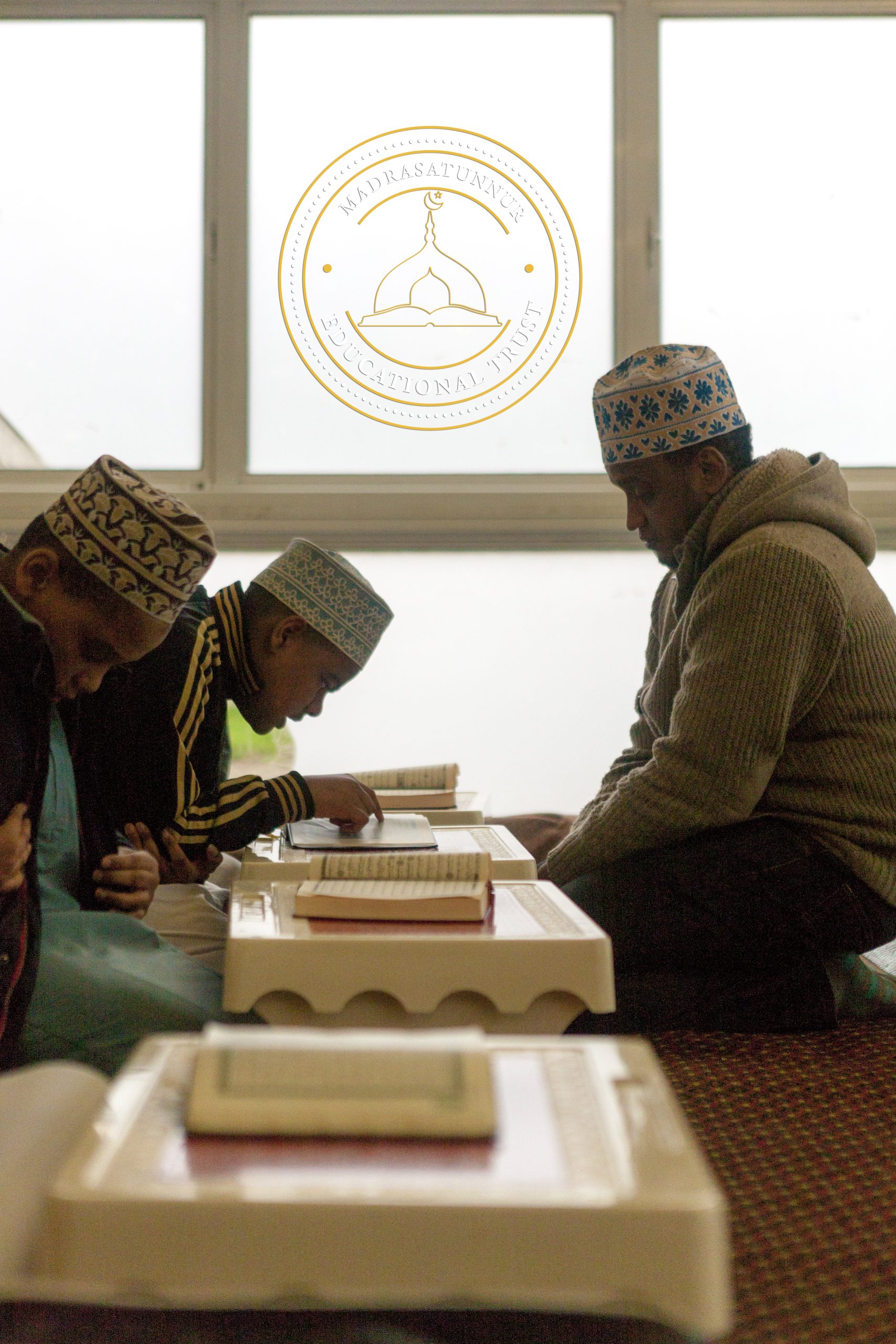
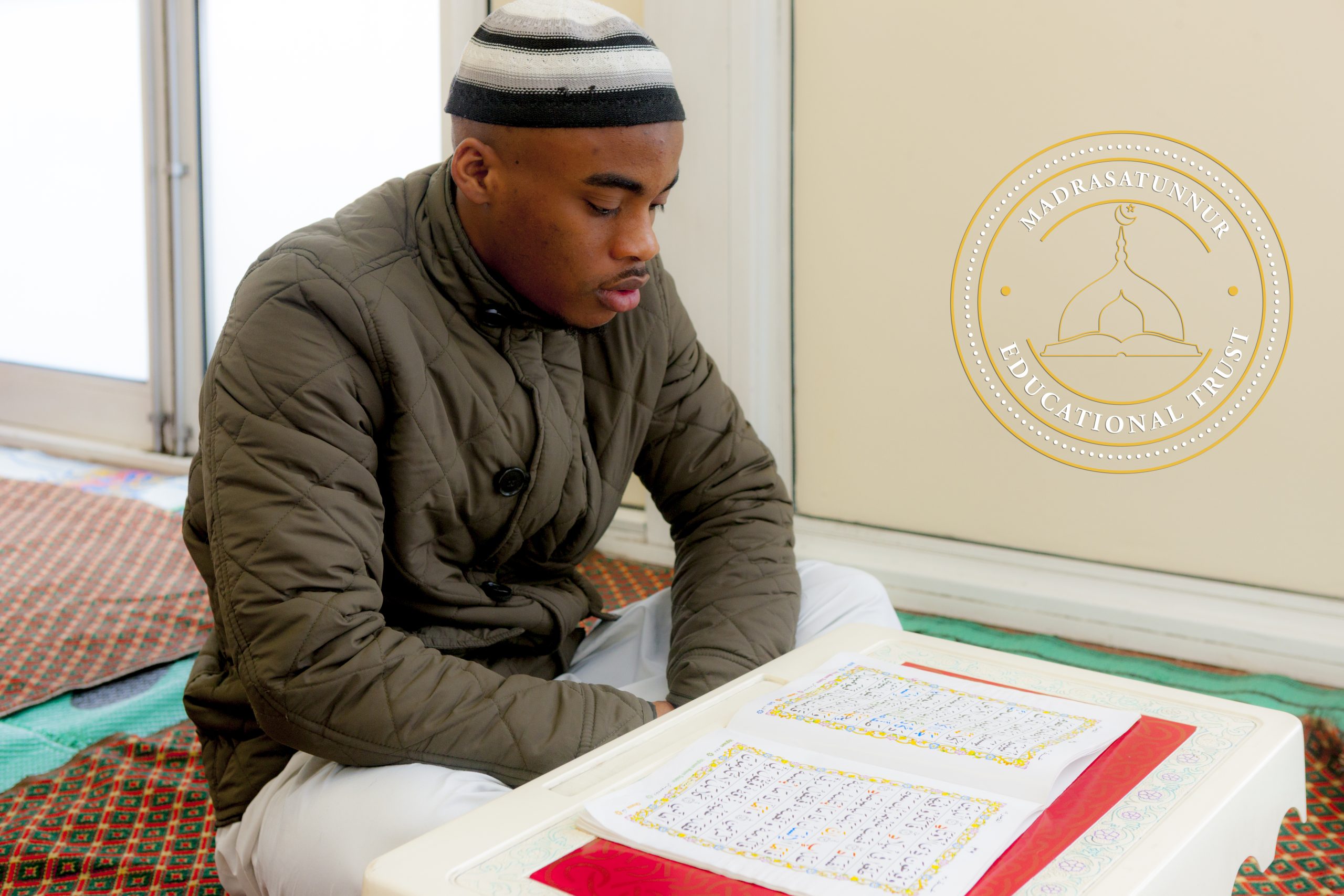
A closer relationship with the Qur’an. Read at a pace that allows reflection. You might study a small passage, read a translation or return to a verse that speaks to a concern in your life. The aim is not simply to count pages, but to listen and respond.
Sincere conversation with Allah. Make duʿāʾ in your own words. Praise Allah, thank Him, seek forgiveness and ask for what is good in this life and the next. The stillness of iʿtikāf can make space for honest supplication that is easily crowded out during a busy day.
Reflection and self-accountability. Consider how you use your time, what strengthens your faith and what repeatedly distracts you from Allah. Self-accountability is not about sinking into guilt. It is about recognising where change is needed and turning to Allah for help in making that change.
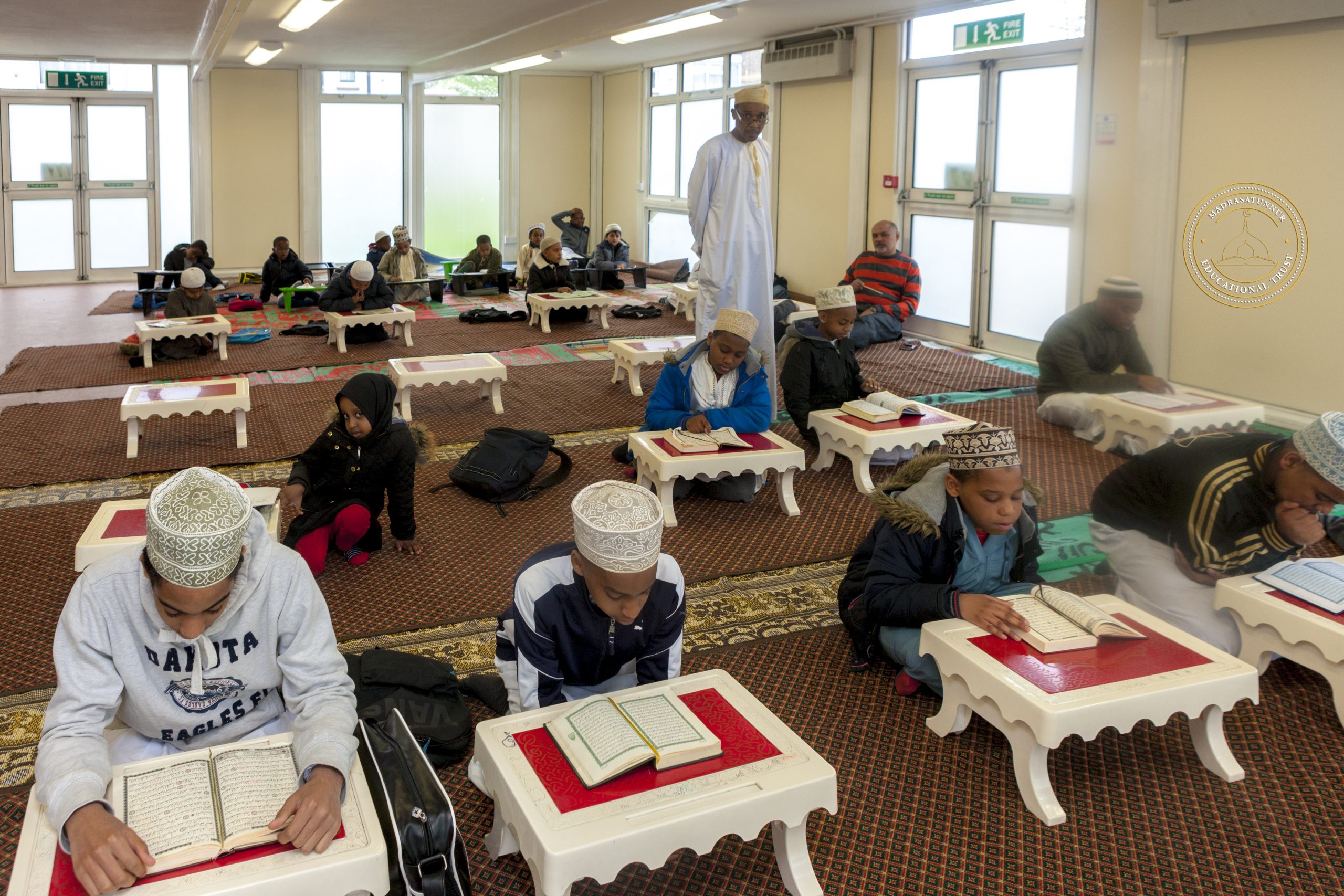
Patience and good character. A shared masjid space requires consideration. People may differ in their routines, personalities and needs. Lowering the voice, keeping belongings tidy, respecting quiet and helping with practical tasks are all ways to protect the worship and comfort of others.
Freedom from avoidable distraction. Constant notifications and scrolling can make it difficult to remain present. Consider setting clear limits on phone use, switching off non-essential alerts and checking necessary messages at planned times. Use technology when it serves a genuine need, then return your attention to worship.
Iʿtikāf is not measured by how little a person sleeps or how many hours they remain awake. Rest, food and looking after one’s health can help sustain worship. Seek balance, avoid turning voluntary acts into a burden and follow the guidance of your local imam.
A little preparation can help you enter iʿtikāf with a calmer heart. Beforehand, consider what you hope to gain from the retreat and make a simple plan that leaves room for rest and reflection.
The legal details of iʿtikāf—including its conditions and the minimum duration—can differ between schools of Islamic law. Speak to a trusted scholar or your local imam about your circumstances, especially if you are considering a shorter period or have questions about what may interrupt the retreat.
If you cannot observe formal iʿtikāf in the masjid, you can still set aside quiet time at home for prayer, Qur’an, dhikr and reflection. Ask a scholar whether the specific practice you are considering counts as iʿtikāf according to the school you follow.
The purpose of iʿtikāf is not to leave the masjid and return unchanged to every distraction. Its lessons can accompany us: a few minutes with the Qur’an each day, regular dhikr, more thoughtful duʿāʾ, a little less time on our phones and a greater awareness of Allah in our choices.
Even a short period of sincere worship can remind us what deserves our attention. Ask Allah to make your retreat a means of forgiveness, stronger faith and a heart that finds comfort in remembering Him.
May Allah grant us sincerity in our worship, allow us to benefit from iʿtikāf and Laylat al-Qadr, forgive our shortcomings, and make our hearts steadfast in remembering Him. Āmīn.
“