
- Call Us: +44 7588550153
- Email: info@madrasatunnur.org

Living With the Qur’an
![Surat Sad [38:29] - The Noble Qur'an - القرآن الكريم](https://legacy.quran.com/images/ayat_retina/38_29.png)
“This is a blessed Book which We have revealed to you, that they may reflect upon its verses and that people of understanding may take heed.” (Ṣād 38:29)
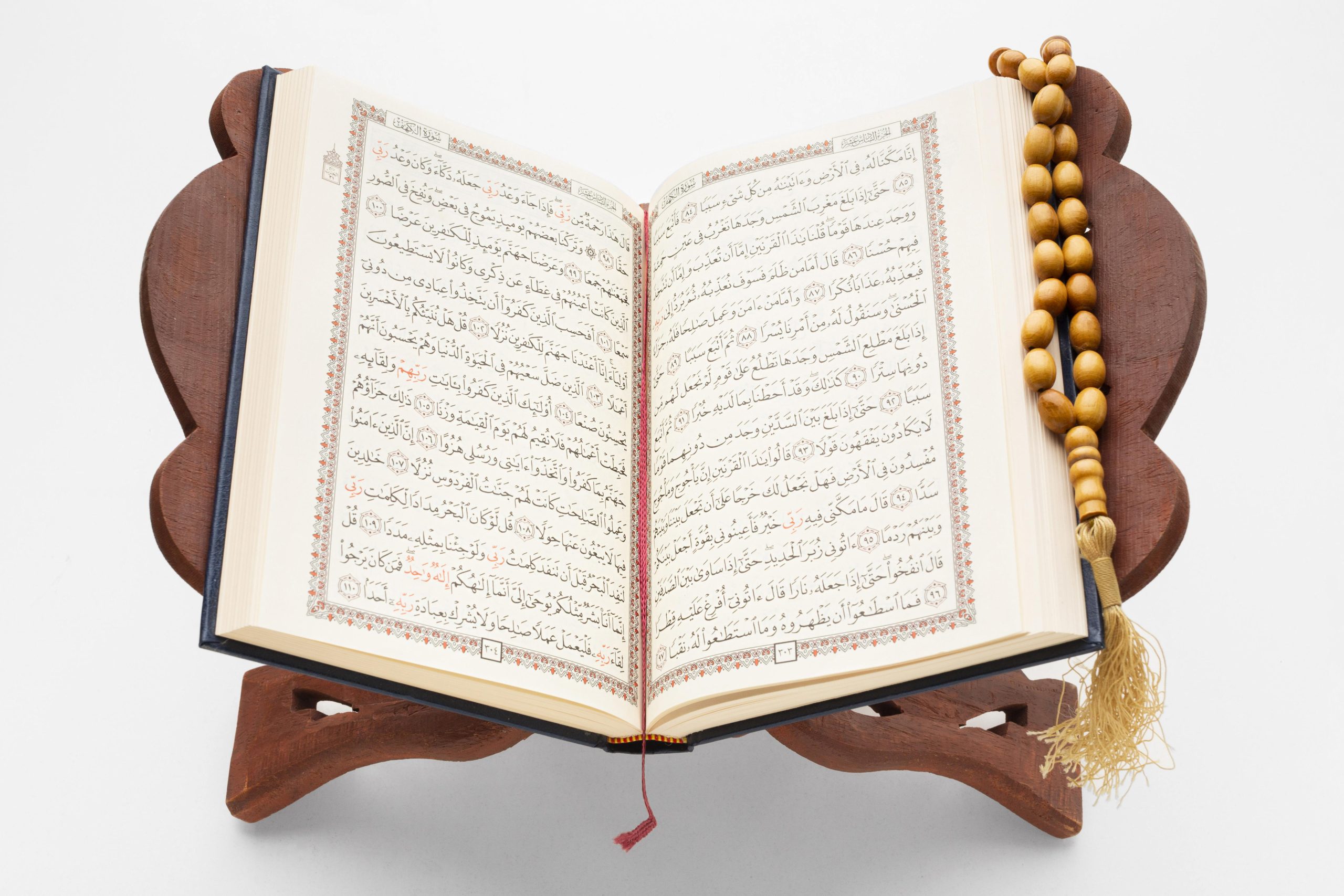
The Qur’an is the eternal revelation and final guidance for humanity. It is light in times of confusion, clarity in times of doubt, and healing for the diseases of the heart. Within it are divine laws, moral direction, warnings, promises, and profound wisdom. Yet its primary purpose is not mere recitation, nor ornamentation of gatherings, nor ceremonial chanting. Its purpose is transformation.
Reciting and memorising the Qur’an are noble acts of worship. However, without reflection, they remain incomplete. True engagement with the Qur’an demands contemplation, understanding, and implementation. Al Zurqānī raḥimahullāh warned that many restrict themselves to melodious recitation while neglecting the deeper blessing of reflecting upon its meanings, embodying its guidance, and living by its commands.
Allah commands reflection:
“Do they not ponder upon the Qur’an? Had it been from other than Allah, they would have found in it much contradiction.” (4:82)
Imām al Qurṭubī raḥimahullāh derived from this verse that understanding the Qur’an’s meanings is not optional but a responsibility. He further noted that slow, measured recitation is superior, because hurried reading prevents proper contemplation.
Al Saʿdī raḥimahullāh explained that reflecting upon the Qur’an is the key to all knowledge and goodness. Through it, a servant gains true awareness of Allah, His perfection, majesty, mercy, and justice. The Qur’an clarifies the path to Him, describes the people of guidance and their reward, and exposes the path of misguidance and its consequences. The deeper one reflects, the stronger one’s īmān becomes.
For the Messenger of Allah ﷺ and the righteous predecessors, tadabbur was not seasonal. It was their way of life. The Prophet ﷺ once said that certain sūrahs such as Hūd and al Wāqiʿah had aged him. Scholars explained that this was due to the powerful reminders within them regarding accountability and divine judgement. The Qur’an did not merely enter his ears; it penetrated his heart.
Ibn al Qayyim raḥimahullāh wrote that nothing is more beneficial for the heart than reciting the Qur’an with contemplation. It nurtures love, fear, hope, reliance, repentance, patience, and gratitude. If people understood what reflective recitation contains, they would devote themselves to it above all else. A single āyah recited with deep reflection may be more transformative than completing the entire Qur’an without presence of heart.
Abū Dharr raḍiy Allāhu ʿanhu reported that the Prophet ﷺ repeated one verse throughout the night:
“If You punish them, they are Your servants; and if You forgive them, indeed You alone are the Almighty, the All Wise.” (5:118)
This was not repetition for completion. It was repetition for internalisation.
The Companions discouraged rushed recitation. ʿAbdullāh ibn Masʿūd raḍhiy Allāhu ʿanhu advised not to scatter the Qur’an hastily nor rush through it like poetry. Pause at its wonders. Allow it to move the heart. Do not let your concern be merely finishing the sūrah.
Tadabbur is not intellectual exercise alone. It must lead to action. Imām al Ājurrī raḥimahullāh described the true companion of the Qur’an as one who asks: When will I take heed? When will I restrain myself? When will I implement what I recite? Worship without awareness is deficient.
Al Ḥasan al Baṣrī raḥimahullāh warned that some memorise its letters but neglect its commands, leaving no visible impact on their character. The Qur’an is not measured by memorisation alone, but by moral transformation.
The Qur’an is the spring of the heart. It irrigates faith and purifies intention. The one who seeks closeness to Allah will never find a path more beloved to Him than His own words.
Tadabbur, therefore, is not optional refinement. It is the route to discovering the secrets of the Qur’an and allowing it to reform the soul. When recitation is combined with reflection, and reflection with action, the Qur’an ceases to be a book we read. It becomes a life we live.
Copyright 2026, All Rights Reserved