
- Call Us: +44 7588550153
- Email: info@madrasatunnur.org

Swalah
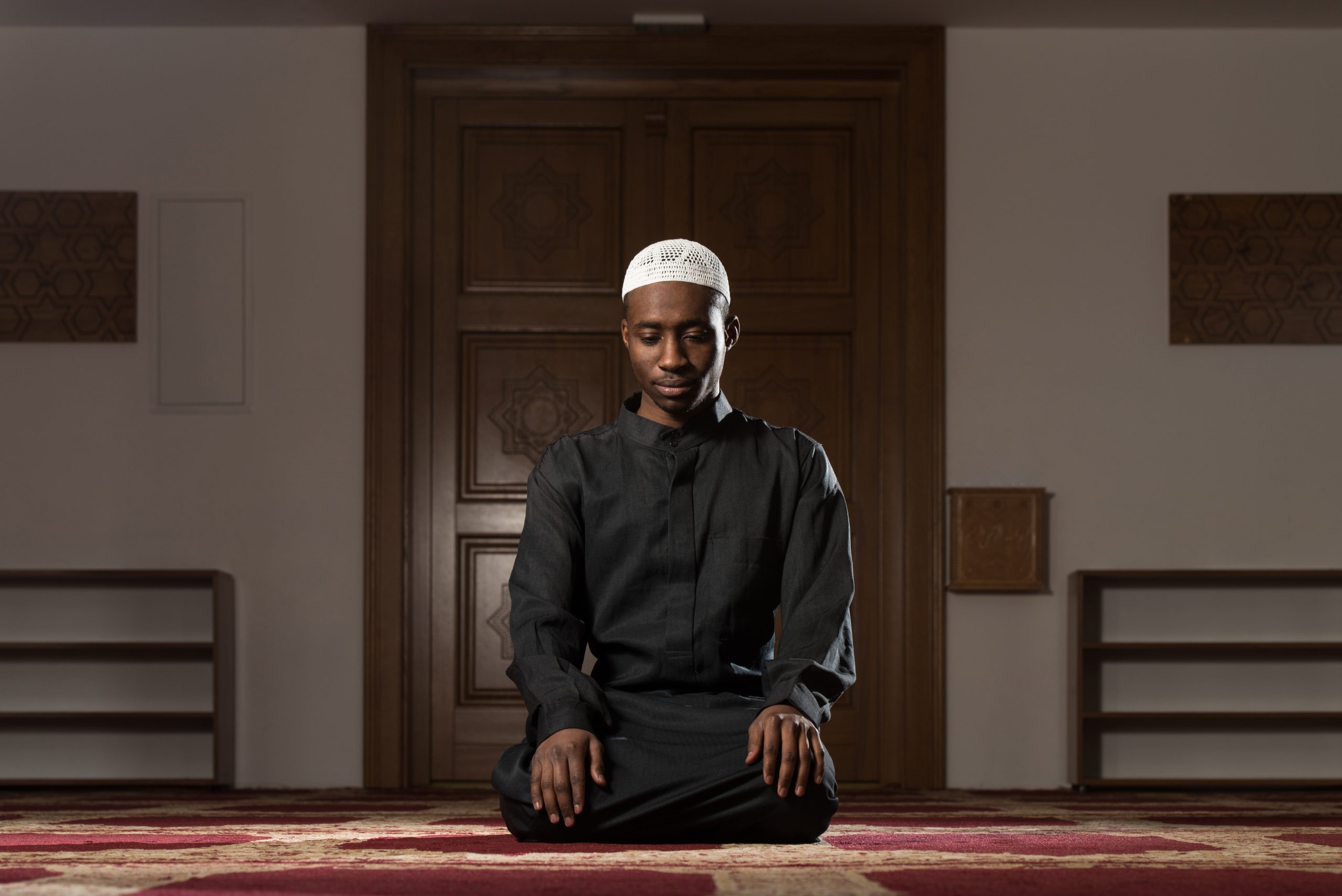
Swalah is the second Pillar of Islam and stands immediately after the testimony of faith. It is not merely a ritual act, but a structured system of worship that shapes the believer’s relationship with Allah, regulates daily life, and nurtures moral discipline. After declaring the Shahadah, a Muslim’s commitment to faith is demonstrated through the establishment of the five daily prayers.
The obligation of Swalah is firmly established in the Qur’an and Sunnah. Allah says: “Establish prayer and give zakah and bow with those who bow” (Qur’an 2:43). Prayer was prescribed directly during the Night Journey (Al-Isra wal-Mi‘raj), which illustrates its elevated status above other acts of worship. The Prophet Muhammad ﷺ described it as the pillar of the religion; if it is upheld, the religion stands firm, and if it is neglected, the structure weakens.
Swalah is performed five times daily: Fajr, Dhuhr, Asr, Maghrib and Isha. Each prayer is fixed within specific times, teaching punctuality, structure, and accountability. This rhythm organises a Muslim’s day around remembrance of Allah rather than around worldly distractions. In this way, Swalah is both spiritual nourishment and behavioural discipline.
The prayer consists of physical movements and prescribed recitations. Standing (Qiyam), bowing (Ruku‘), prostration (Sujood) and sitting (Tashahhud) each carry deep spiritual symbolism. Prostration, in particular, represents the peak of humility, where the believer places the most honoured part of the body on the ground in submission to the Creator. The Qur’an describes successful believers as those “who are humble in their prayer” (Qur’an 23:1–2).
Beyond personal devotion, Swalah strengthens community cohesion. Congregational prayer cultivates unity, equality and brotherhood, regardless of social status or ethnicity. Standing shoulder to shoulder in the same rows reflects the Islamic principle of justice and equality before Allah. The Friday prayer (Jumu‘ah) further reinforces communal accountability and collective moral guidance.
Swalah also functions as a moral safeguard. Allah states: “Indeed, prayer restrains from shameful and unjust deeds” (Qur’an 29:45). When performed with sincerity and understanding, it disciplines the heart, refines character, and deters wrongdoing. It serves as a constant reminder of divine oversight, encouraging integrity in private and public life.
Neglecting prayer carries serious spiritual consequences. It is the first matter a servant will be questioned about on the Day of Judgement. For this reason, scholars emphasise consistency and safeguarding prayer times. Even during illness, travel, or hardship, Islam provides structured concessions rather than removing the obligation, demonstrating its centrality in a believer’s life.
For parents and communities, teaching children the importance of Swalah is both a responsibility and an investment in moral development. Establishing prayer from a young age fosters discipline, identity and spiritual resilience. Institutions and madrasahs play a vital role in ensuring that the next generation understands not only how to pray, but why they pray.
In essence, Swalah is not a burden but a mercy. It reconnects the believer with Allah five times a day, purifies the heart, and aligns human action with divine guidance. As the second Pillar of Islam, it anchors faith in daily practice and transforms belief into lived reality.
Copyright 2026, All Rights Reserved