
Madrasatun Nur Blog • Ramadhan Preparation
🕒 Dakika 5 za Kusoma | Build a month of worship that continues beyond Ramadhan
When we take on an important project, we usually think about what we want to achieve, make a plan and review our progress along the way. Ramadhan deserves at least as much thought. It is a precious opportunity to seek Allah’s pleasure, strengthen our faith and make changes that can shape the rest of our lives.
A useful plan begins with understanding the purpose of the month. Allah tells us that fasting has been prescribed so that we may attain taqwa—awareness of Him that guides our choices and keeps us from disobedience (2:183). Ramadhan is also the month in which the Qur’an was revealed as guidance for humanity (2:185). Our goals should help us grow in both: living with greater taqwā and drawing closer to the Qur’an.
Rather than measuring success only by the number of pages read or prayers performed, think about what you hope those acts will nurture in your heart and character.
Make time to know Allah better through His names, His revelation and the signs of His creation. Let that knowledge deepen your love, hope, trust and reverence for Him. You might choose one name of Allah each week, learn its meaning and reflect on how it appears in your life.
ʿUbūdiyyah means living as a servant of Allah: obeying Him with humility, relying on Him and recognising our need for His guidance. Fasting gives us daily practice in submitting our wishes to Allah’s command. Use that discipline to strengthen your response to other commands too, including honesty, modesty, patience and kindness.
Worship has outward actions and inward qualities. Alongside reciting Qur’an, praying and giving charity, try to cultivate sincerity, gratitude, humility and presence of heart. Choose a manageable act and slow down enough to consider whom you are worshipping and why.
Ramadhan is a chance to notice what is holding your heart back. You may want to work on envy, anger, pride, resentment or heedlessness. Choose one area for focused effort. Ask Allah for help, identify situations that trigger the behaviour and practise a better response when they arise.
Fasting is meant to shape more than our eating and drinking; it should also influence how we speak and treat people. The Prophet ﷺ taught that a fasting person should avoid obscene speech and ignorant behaviour, and respond to provocation by saying, “I am fasting” (Ṣaḥīḥ Muslim, 1151a). Make kindness at home, patience with others and guarding your tongue part of your Ramadhan plan.
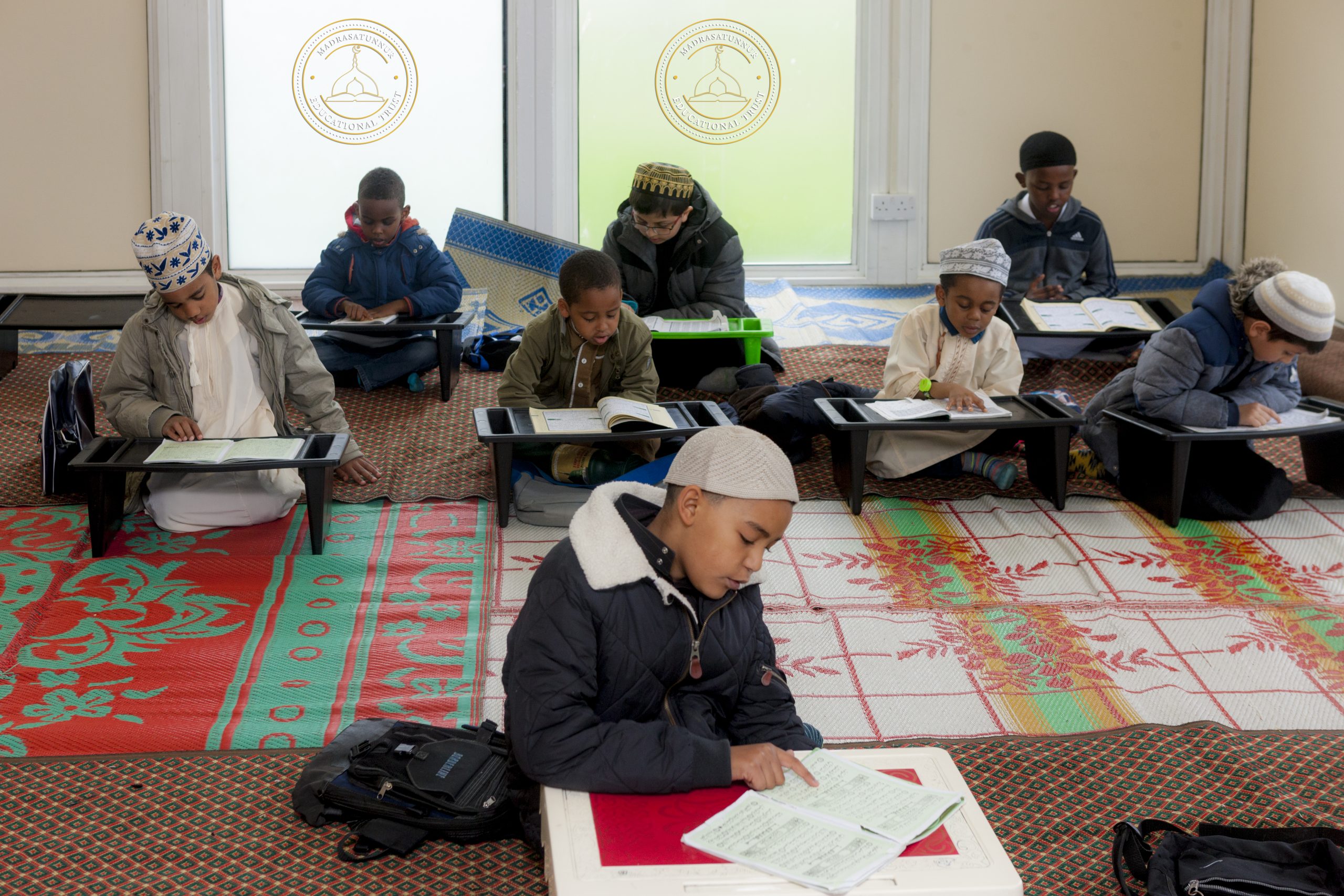
Ramadhan is the month of the Qur’an, but recitation is not simply about reaching a target. The Qur’an is guidance meant to be read, understood and followed. Set a realistic reading goal and include time to reflect on the meaning. A small passage read with attention can give you something to carry into your day.
Qiyām offers a quiet opportunity to stand before Allah, seek forgiveness and make duʿāʾ. If a long prayer is not manageable, begin with what you can sustain. You might also set a goal to recite the morning and evening adhkār with reflection, or to make a little more time for duʿāʾ in sujūd. Consistency matters more than an ambitious plan that leaves you exhausted.
Think about what you want to continue after Ramadhan: a regular Qur’an reading habit, praying at the start of its time, giving charity, or keeping your tongue from harmful speech. The Prophet ﷺ taught that the deeds most beloved to Allah are those done consistently, even if they are small (Ṣaḥīḥ al-Bukhārī, 6464).
Ramadhan is an opportunity to return to Allah through sincere repentance. The Prophet ﷺ taught that whoever fasts Ramadhan with faith and seeking reward will have their previous sins forgiven (Ṣaḥīḥ al-Bukhārī, 1901). Renew your intention, ask Allah to forgive you and make amends where you have wronged others.
Fasting teaches restraint. Let that practice help you pause when you are tempted to act on anger, speak carelessly or pursue something displeasing to Allah. The aim is not only to avoid food and drink during daylight hours, but to become more mindful of Allah throughout the day and night.
Ten goals can feel like a lot. You do not need to make equal progress in every area at once. Take an honest look at your current routine and choose one or two priorities that would make the greatest difference for you.
Perhaps you already pray the five daily prayers on time and want to establish a regular habit of ṣalāh al-ḍuḥā. Perhaps anger is the quality you most need to work on, or perhaps you want to make space for Qur’an every day. Your plan should reflect your circumstances, responsibilities and capacity.
A simple way to plan: Choose one goal for worship, one for character and one habit you hope to continue after Ramadhan. Make each goal specific and realistic, then review your progress each week with honesty and hope.
If you lose momentum, do not assume the whole plan has failed. Ask Allah for help, return to your intention and take the next step. Ramadhan is a month of striving, returning and beginning again.
“Fasting has been prescribed for you … so that you may become mindful of Allah.”
— The Qur’an, 2:183
Some of the early Muslims are reported to have asked Allah for the opportunity to reach Ramadhan and then asked Him to accept their deeds after it had passed. Their example reminds us to welcome the month with hope, make good use of it and ask Allah to accept what we are able to offer.
May Allah, al-Ḥayy and al-Qayyūm, help us make this Ramadhan a means of strengthening our īmān, improving our character and drawing closer to Him. May He accept our fasting and worship, forgive our shortcomings and help us remain steadfast after the month ends. Āmīn.
Continue planning: Read: Plan your Ramadhan